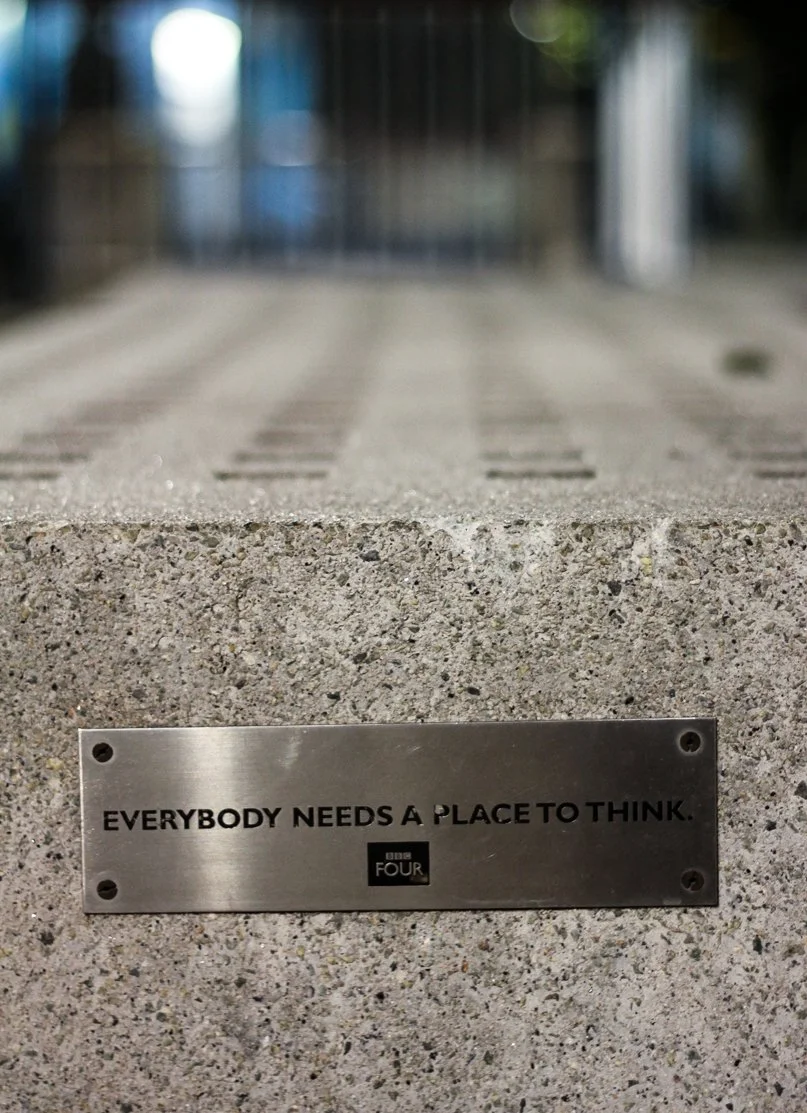
There is a couple of benches I always return to, both of them small and otherwise unremarkable pieces of urban street furniture, one overlooking a strip of grass and an indifferent sky and the other at the intersection of brutalist concrete design and an ancient waterway, both in a city, a city that no matter what (even the fact I no longer live there) always is my spirtual home and birth place(London). For most of my formative years, right up until my 4th decade, these benches were my anchor, places to stop, think and be inspired, a hopes and dreams launchpad if you will. Places I used to sit and map out my future, live in a world of possibility and certain futures for the music, sound and art projects I’d make, the places I’d plan to go and the person I’d finally become. However, upon recently returning I realised that these benches held a kind of naive optimism, a belief that time itself was a reservoir I could draw from indefinitely.
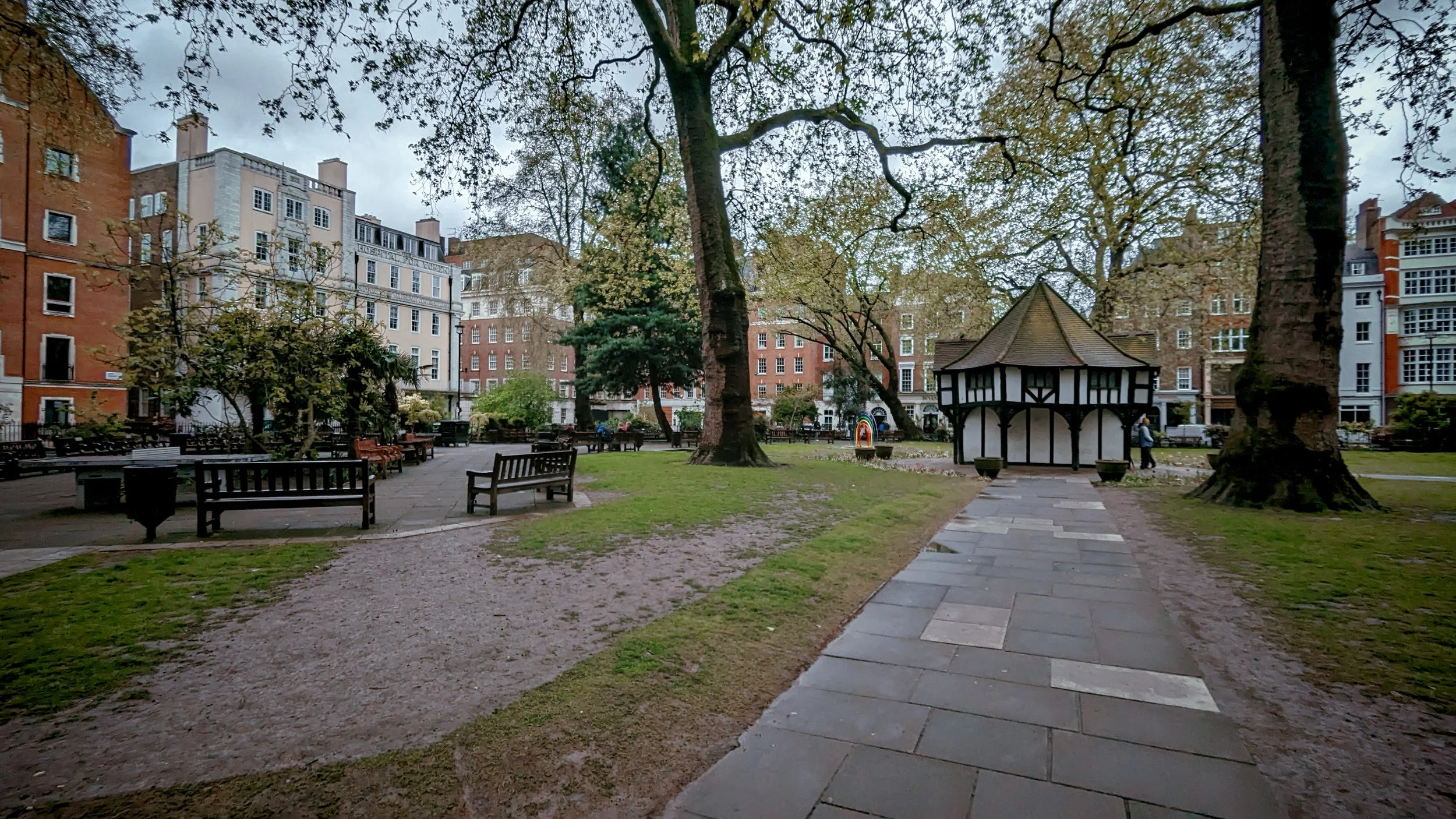
Bench number one, a place I have visited since the 1980’s.
Now, as I sit here, the atmosphere feels heavier, as if the air has congealed around my old intentions and dreams. I am unable to think about what I’m going to do and only about what I didn’t. The hesitations, doubts and imposter syndrome that often calcified into inaction, but whilst I have done a lot (so much in fact) seemingly it felt that there was always time to do everything in those halcyon days. There were the opportunities I talked myself out of, the chances I took but perhaps more for connivence, or just the relentless idea (or arrogance?) that I would always have time to do everything. Sometimes there was the ghostly hand of the persuasive, and almost invisible hand which meant I agreed to follow the expected path; not because I believed in it, but because it felt easier to comply than to resist. Sometime conformity isn’t a hegemonic order mistakenly misunderstood or actually vocalised from peers or but can be the whisper in your inner monologue which you accept because it spares you from confronting your own uncertainty.
But memory has its own strange compassion. What surfaces isn’t the catalogue of failures but the spectral good: the voices carried on the air, the images tied to place. I feel that these recollections can arrive almost like listening to old field recordings I have made, half-heard, spatial, textured with temporal distance. They remind me that longing isn’t simply a symptom of regret; it’s a way of recognising that something once mattered and can matter again, as long as there is a breath to be captured and a willingness to mobilise.
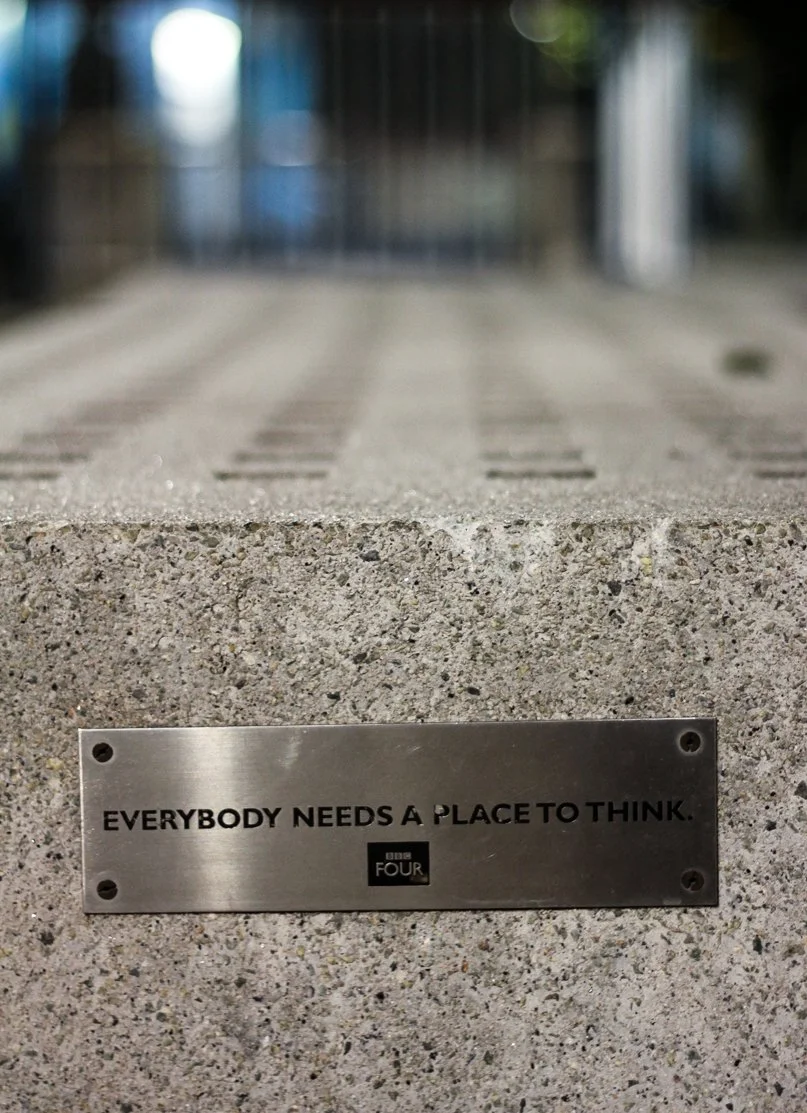
Bench number 2, a safe space and a haven…a place to think.
Time here folds back on itself. Each visit to these benches loops into the last visit, as if the bench exists outside the linear sequence the rest of life obeys, they become personal hauntological objects. I sit, and for a moment and I am both versions of myself. The version of me who dreamed forwards and the one who now looks back. This hauntological stasis isn’t a trap, exactly. It’s is an invitation to acknowledge that we never completely leave the places where we imagined our futures. They linger, quietly insisting that the story isn’t finished, only paused.
Perhaps that is the real purpose of these places and their benches now, places and objects which may have launched a thousand dreams, or witness a thousand regrets. These are spectral anchors in the phsyical world where I (we) return not to mourn what wasn’t done, but to recognise that the future and the past converge in these small, overlooked corners of our lives. That this temporal and spacial loop continues to be present is not as repetition, but as a reminder that I still have time to step out of it.
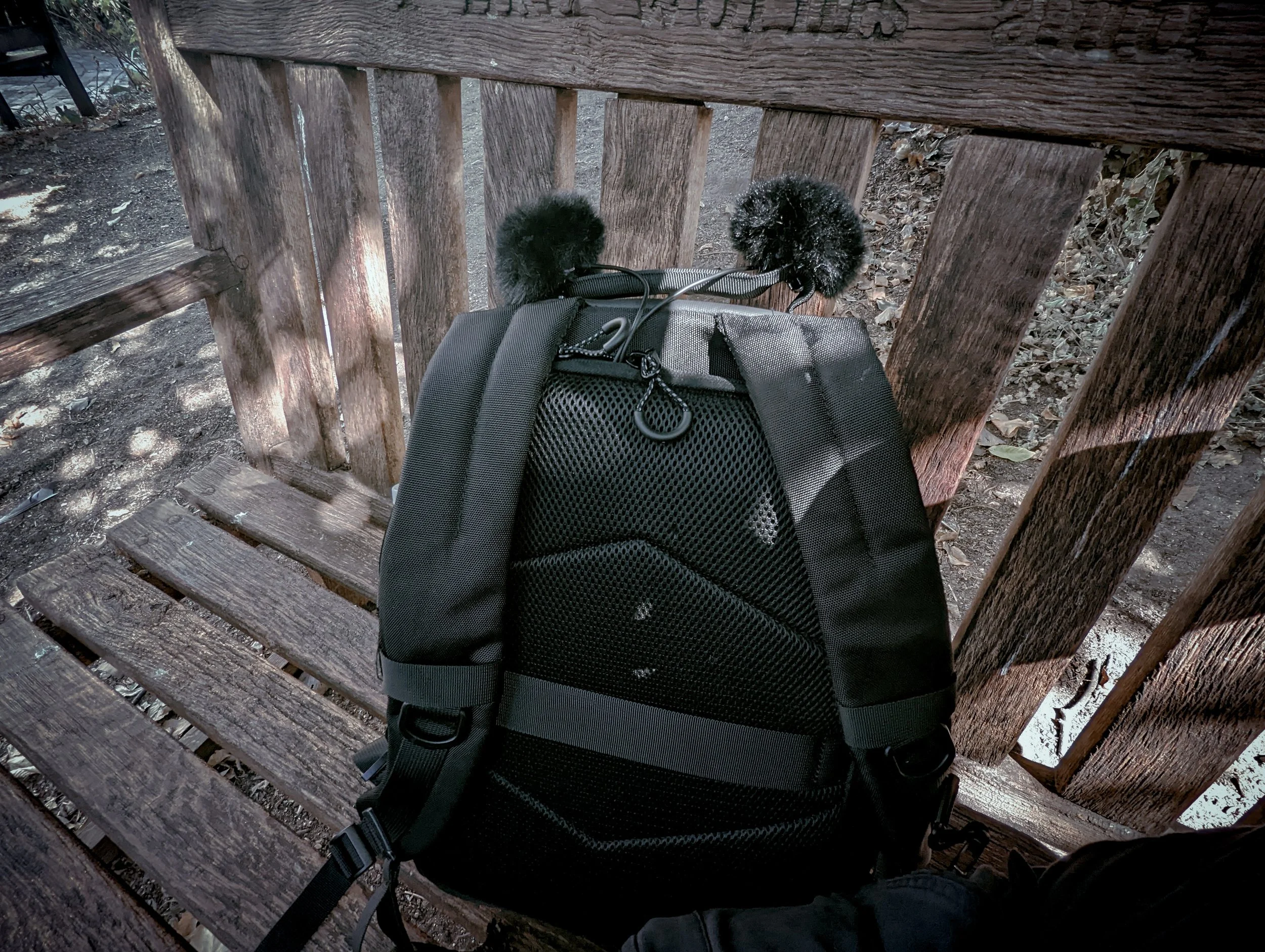
Bench 3 (not described in text), a secret space, hidden in plain sight.